
Building a deck provides a fun, comfortable environment for family and friends to mingle, enjoy alfresco dining or barbecues, or relax with a cup of coffee. A deck is also valuable to any property and has a high resale value. Building a basic deck does not have to be difficult when broken down into smaller sub-projects. Working deliberately through the procedure and comprehending everything you’re doing allows you to build the deck properly and with no opportunity for error. For more guidelines and help, you can visit and contact us at https://decksforlife.ca/.
Rules and Regulations:
Most places will require you to apply for permission for an attached, elevated deck at the local permitting office. One advantage of constructing a detachable ground-level or floating deck is that it frequently does not require a permit as long as it is less than a specific height, typically 30 inches. In contrast, the deck on this project is attached to the home, which generally necessitates permitting. Rails and balusters are also necessary because the deck can be built higher. Contact your local underground utility locating agency and have them perform a site check of the suggested area before digging any holes.
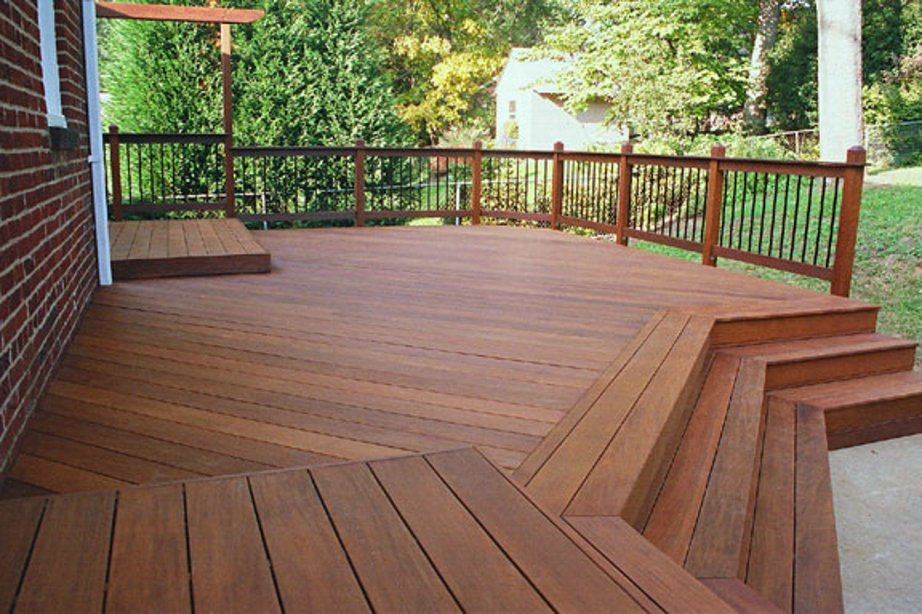
Stages of Building a Deck:
A basic square or rectangular deck is attached to the house’s side. One side of the deck is joined to the structural parts of the house with a ledger board to guarantee a sturdy attachment. A large beam supports the opposing side of the deck. The beam runs parallel to the house and is supported by vertical posts. Concrete footings sunk into the ground support the posts. The ledger board is one of the four sides of the deck’s outer framework. One header joist parallel to the house and two outer rim joists perpendicular to the house form three sides. Wood floor joists run perpendicular to the house within this framework. Deck floorboards are joined to the joists at the top. The deck is accessible from the outside of the home through a stairway. The addition of a railing to the deck improves its safety. Handrails are required around the deck perimeter and along the stairs on elevated decks with stairs.
You should follow all precautions that come with the power tools you’ll utilize. For example, height might be a safety concern; merely a foot or two of elevation can be enough to cause injury.


