


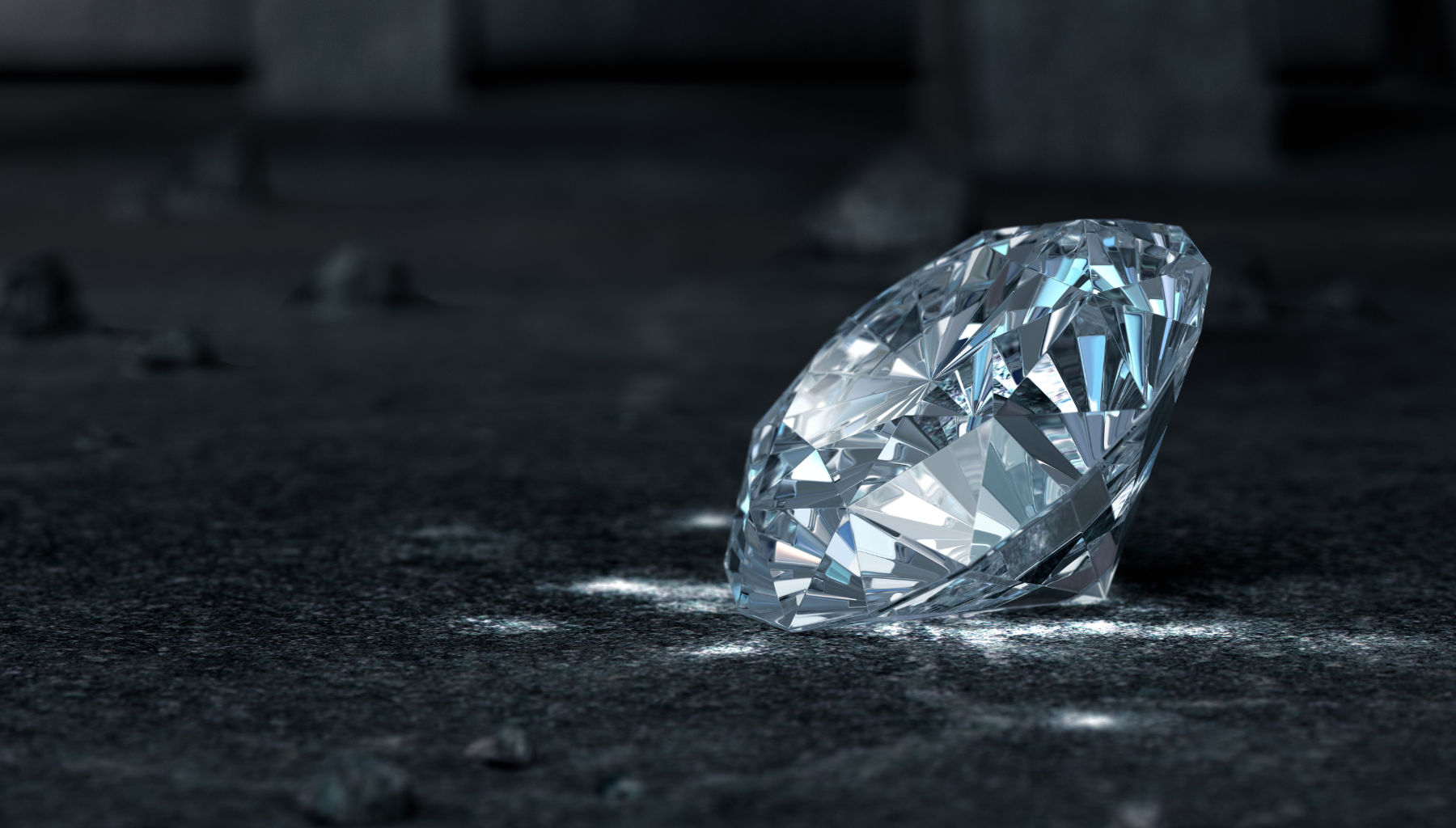
Let’s be real. Diamonds have always carried this weird mix of sparkle, mystery, and a pinch of social pressure. For decades, people thought the only way to get a “real” diamond was to dig it out of the earth. But now? We’ve got technology stepping in with man made diamonds. And the funny part is most folks can’t even tell the difference at first glance.You’ve probably heard the terms CVD and HPHT tossed around like alphabet soup. Don’t worry. You don’t need a science degree to figure out what’s what. Today, we’re going to break down this whole lab grown diamond cvd vs hpht conversation in plain English.And maybe, just maybe, you’ll end up rethinking the next shiny thing on your wish list.
Table of Contents
From rare sparkle to everyday magic
Think about it. A hundred years ago, diamonds were pretty much reserved for royalty or the super-rich. Then clever marketing (hello, “a diamond is forever”) convinced the world that engagements weren’t complete without one.Fast forward to now. We live in an age where you can order groceries from your phone, stream ten shows at once, and—yes—grow diamonds in a lab.The cool part? Man made diamonds aren’t fake. They’re not those sparkly cubic zirconia stones you find in a mall kiosk. These are real diamonds. Same carbon structure, same shine, just made differently.And let’s be honest, the story behind them is a whole lot more fascinating than just “we dug this rock out of the ground.”
CVD vs HPHT explained without the jargon
So here’s where it gets interesting. There are two main ways to grow diamonds in a lab:
-
CVD (Chemical Vapor Deposition)
Imagine a sci-fi movie where carbon atoms float around and slowly stack themselves into a diamond. That’s pretty much CVD. It uses a chamber filled with gases, and under the right conditions, those gases turn into layers of diamond crystal.
- Pros: Super clear stones, often fewer inclusions, and the process allows for more control.
- Cons: Can take longer, and sometimes the stones come out brownish before they’re treated.
-
HPHT (High Pressure High Temperature)
This one’s more like recreating nature’s original recipe. Scientists take carbon, squeeze it under crazy high pressure, and heat it up until—boom—a diamond forms.
- Pros: Great for making larger stones, often cheaper, and closer to how earth-made diamonds are created.
- Cons: Some stones may show metallic inclusions, and they’re usually easier for experts to identify as lab-grown.
To put it casually, CVD is like 3D printing a diamond, while HPHT is like pressure cooking one. Both work. Both give you a real diamond. The difference is mostly in the process and sometimes in price.
Why people are actually buying them
Here’s the thing: buying jewelry has always been emotional, but nowadays it’s also practical. People ask more questions. They care about ethics, budgets, and, honestly, just not being ripped off.
Man made diamonds tick a lot of boxes:
- Ethical peace of mind – No worries about conflict mines or shady supply chains.
- Wallet-friendly – You can get a lab diamond 30–40% cheaper than a mined one. That’s the difference between a basic band and a dream vacation.
- Bigger sparkle for the price – Let’s face it, size still matters when it comes to rings.
And trends are shifting. Couples don’t want cookie-cutter anymore. They want a story, a choice, a little rebellion against “tradition.” Choosing between lab grown diamond cvd vs hpht is part of that conversation.
How it feels in real life
Picture this. You’re in a jewelry store. The salesperson slides two rings across the counter. One has a mined diamond. One has a lab-grown diamond. Unless you’re armed with a loupe and some serious gemology skills, you can’t spot the difference.
Now imagine the price tags. One is $8,000. The other is $4,800. Same sparkle. Same “wow” factor. You don’t need to be an accountant to do that math.
Of course, some people still want the romance of “a diamond pulled from deep within the earth.” And hey, if that’s your vibe, go for it. But more and more, shoppers are saying: “Why not get the same thing, save money, and feel good about it?”
Okay, but how does the process actually go down?
Let’s break it down, casual-style:
- Pick your method – A lab decides if they’re going CVD or HPHT. Both need carbon, because that’s the heart of every diamond.
- Grow time – In CVD, gas chambers slowly build layers. In HPHT, carbon is squished and heated until it transforms.
- Cut & polish – Once the diamond grows big enough, it’s cut and polished just like a mined one. (Yep, same tools, same craft.)
- Certification – Reputable labs still grade them on the 4Cs: cut, clarity, color, carat. You’ll often see a note saying “lab grown.”
- Into the ring it goes – After that, it’s indistinguishable from the traditional stuff.
It’s not smoke and mirrors. It’s just science meeting sparkle.
Why this matters now
Honestly, jewelry has always reflected society. Right now, we live in a world that’s hyper-aware of sustainability, fairness, and cost. So it makes sense that people are leaning toward man made diamonds.Plus, technology only keeps getting better. What used to sound futuristic—growing diamonds in a lab—is now a Tuesday afternoon reality. And it’s only going to get more mainstream.The debate over lab grown diamond cvd vs hpht isn’t really about which is “better.” It’s about what fits your story, your budget, your values. Some prefer the slow, precise vibe of CVD. Others like the raw power of HPHT. At the end of the day, both shine just as bright.
Wrapping it up
So, here’s the bottom line. Man made diamonds are real diamonds. Full stop. Whether it’s CVD or HPHT, the science is just the backstory. What really matters is how that stone feels when you see it on your finger—or better yet, when someone you love lights up after opening the box.At the end of the day, the sparkle is the same. The only difference? Now you get to choose the story behind it.