


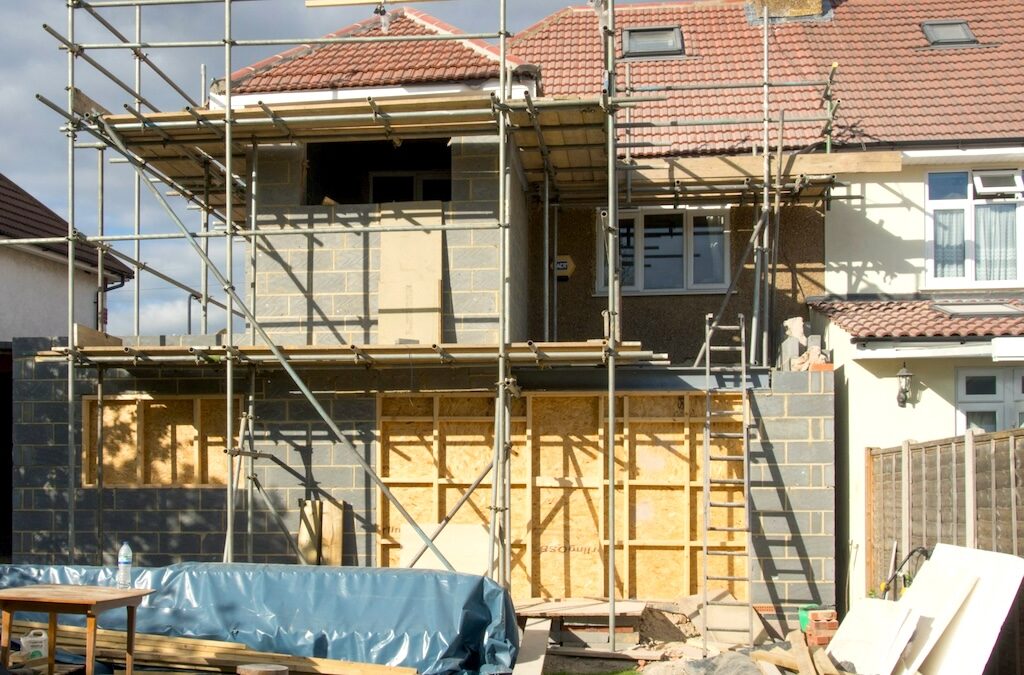
Discovering mold during a home remodel can be a disheartening setback, but addressing it promptly and effectively is crucial for maintaining a safe and healthy living environment. Mold thrives in damp, poorly ventilated areas, often lurking behind walls, under flooring, or in hidden corners uncovered during renovations. This home guide provides practical tips for testing, removing, and remediating mold to ensure your remodel stays on track and your home remains safe.
Table of Contents
Recognizing Mold in Your Home
Mold often appears as black, green, or white patches, sometimes fuzzy or slimy, and may carry a musty odor. Common areas to find mold during a remodel include basements, bathrooms, kitchens, HVACs, or anywhere water damage has occurred. If you uncover discolored surfaces or detect a persistent smell, it’s time to investigate further.
Why Mold is a Serious Concern
Mold can pose several health risks, including respiratory issues like mold cough, allergies, and skin irritation, particularly for those with asthma or compromised immune systems. It can also damage building materials, compromising the structural integrity of your home. Acting quickly is essential to prevent further spread and costly repairs.
Step 1: Testing for Mold
Before tackling mold, confirm its presence and assess the extent of the problem. Here’s how to approach testing:
1. Visual Mold Inspection
Start by examining exposed areas during your remodel. Look for visible signs of mold growth, such as discoloration or staining on walls, ceilings, or floors. Check areas with a history of moisture, like near pipes or windows.
2. DIY Mold Testing Kits
For a preliminary assessment, consider using a DIY mold testing kit, available at hardware stores or online for $10-$50. These kits typically involve collecting samples (e.g., swabs or air samples) and sending them to a lab for analysis. While convenient, DIY kits may not always provide comprehensive results, so interpret them cautiously.
3. Professional Mold Testing
For larger or suspected widespread mold issues, hire a certified mold inspector. Professionals use advanced tools like moisture meters, infrared cameras, and air sampling to detect hidden mold. Expect to pay $300-$1,000, depending on the size of your home and the extent of testing. A professional mold testing report will identify mold types (e.g., Aspergillus, Stachybotrys) and guide remediation efforts.
4. When to Test for Mold
Test if you find visible mold covering more than 10 square feet, suspect hidden mold behind walls, or experience unexplained health symptoms. Testing is also wise if your remodel uncovers water damage, as mold often follows.
Step 2: Safe Mold Removal
Once mold is confirmed, safe removal is critical to prevent health risks and further contamination. Here’s how to proceed:
1. Assess the Scope
- Small Areas (Less than 10 square feet): Small patches, like those on a bathroom tile or drywall, can often be handled by homeowners with proper precautions.
- Large Areas or Hidden Mold: For infestations exceeding 10 square feet, or mold in HVAC systems or behind walls, hire a professional remediation service to ensure thorough removal.
2. Safety Precautions
Mold spores can become airborne during removal, posing health risks. Follow these safety measures:
- Wear Protective Gear: Use an N95 respirator mask, gloves, goggles, and disposable coveralls to avoid exposure.
- Seal Off the Area: Use plastic sheeting and tape to isolate the affected area, preventing spores from spreading to other parts of the home.
- Ventilate Properly: Open windows and use fans to direct airflow outside, but avoid spreading spores indoors.
3. DIY Removal for Small Areas
For small mold patches, you should definitely follow these steps:
- Clean the Surface: Mix a solution of water and mild detergent (or a 1:10 bleach-to-water solution for non-porous surfaces). Scrub mold off hard surfaces like tile or glass using a brush.
- Dry Thoroughly: Use fans or a dehumidifier to dry the area completely, as moisture encourages mold regrowth.
- Dispose of Contaminated Materials: Double-bag moldy debris (e.g., drywall, insulation) in heavy-duty plastic bags and seal tightly before disposal.
- HEPA Vacuum: After cleaning, use a vacuum with a HEPA filter to capture lingering spores.
4. Professional Mold Removal
For extensive mold or hard-to-reach areas, professional mold removal companies will often use specialized equipment like HEPA air scrubbers and industrial dehumidifiers. They may also remove and replace contaminated materials, such as drywall or carpeting. The costs can range from $1,000-$5,000, depending on the severity and location.
Step 3: Mold Remediation and Prevention
Removal alone isn’t enough—remediation addresses the root cause and prevents recurrence. Here’s how to ensure long-term mold control:
1. Address Moisture Sources
Mold thrives in damp environments, so fixing moisture issues is critical:
- Repair Leaks: Fix plumbing leaks, roof damage, or foundation cracks immediately.
- Improve Ventilation: Install exhaust fans in bathrooms and kitchens, and ensure proper airflow in attics and crawl spaces.
- Control Humidity: Keep indoor humidity below 50% using dehumidifiers or air conditioners, especially in humid climates.
2. Replace Damaged Materials
During your remodel, replace mold-damaged materials like drywall, insulation, or carpeting with mold-resistant alternatives. For example:
- Use mold-resistant drywall (e.g., green board or purple board) in moisture-prone areas.
- Opt for tile or vinyl flooring instead of carpet in basements or bathrooms.
3. Apply Mold-Resistant Products
Consider applying mold-resistant primers or paints (e.g., Zinsser Mold Killing Primer) to vulnerable surfaces. These products work to inhibit mold growth and are ideal for remodel projects.
4. Monitor and Maintain
After remediation has been completed, you’ll need to regularly inspect your home for signs of moisture or mold, especially in high-risk areas. Use a hygrometer to monitor humidity levels and address any spikes promptly.
When to Call a Professional Mold Remediators
While small mold issues can be DIY mold removal projects, there are certain situations that will require expert intervention:
- Mold covers large areas or is in HVAC systems.
- You uncover black mold (Stachybotrys), which may be more hazardous.
- Water damage is extensive or ongoing.
- Health symptoms persist despite removal efforts.
Some tips to find a mold remediation company after hurricanes and heavy rain storms would be through organizations like the Institute of Inspection, Cleaning and Restoration Certification (IICRC) or the National Organization of Remediators and Mold Inspectors (NORMI). Verify credentials and request references to ensure quality work.
Costs to Expect
- DIY Removal: $50-$500 for supplies (cleaners, protective gear, dehumidifiers).
- Professional Mold Testing: $300-$1,000.
- Professional Remediation: $1,000-$5,000, depending on the extent of damage.
- Repairs and Prevention: Costs vary widely based on materials (e.g., $5-$20 per square foot for mold-resistant drywall) and labor.
In Summary
Finding mold during a home remodel can be quite the challenge, but with the right approach, you can address it effectively. Start out with thorough testing to understand the scope, remove mold safely using DIY methods or opting for expert mold removal services as needed, and remediate by eliminating moisture sources and using mold-resistant materials. By acting swiftly and preventing recurrence, you’ll protect your health, your home, and the overall success of your home remodelling project.